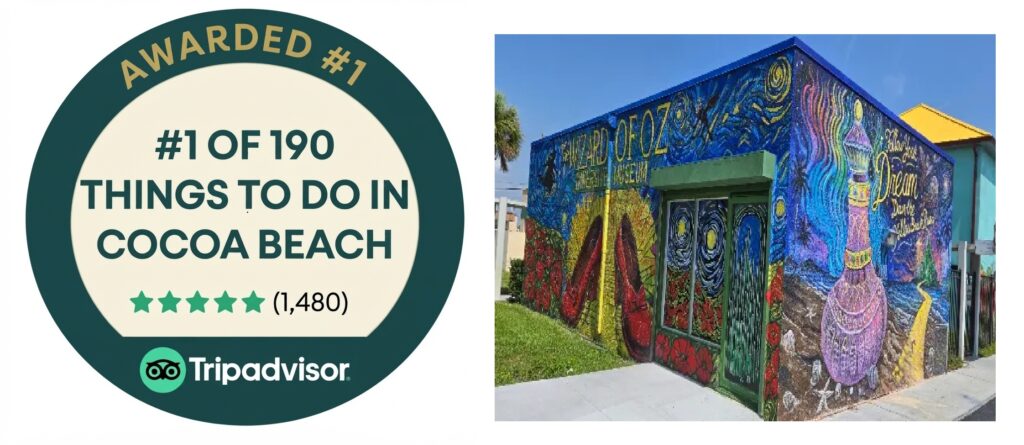
Wizard of Oz Museum · Museum History · Chapter 4 · Story 18
Collecting rare Oz books taught me how to recognize and preserve history. Running a museum required something more: caring for a public attraction, its exhibits, and the people who came to experience them.
When Palina encouraged me to turn my Oz book collection into a museum, the idea began with something I already understood: the books, illustrations, and memorabilia I had spent years collecting. But operating the Wizard of Oz Museum in Cape Canaveral, Florida, introduced a different set of responsibilities. A private collector can concentrate on finding and studying objects. A museum founder must also think about the building, the exhibits, the visitors, and the long-term future of the collection.
This distinction is easy to overlook when imagining what it means to open a museum. Visitors usually see the finished displays. Behind those displays is the ongoing work required to keep the museum functioning.
The challenges of running the Wizard of Oz Museum were therefore about more than Oz history. They were about turning knowledge and enthusiasm into a sustainable public experience.
A Museum Is Not a Finished Collection
As a collector, I could spend considerable time examining a single book. I might compare editions, research publication details, or study illustrations to understand their significance.
The collection developed gradually, guided by my interests and the discoveries I made.
A museum works differently. Even after the exhibits have been installed, the work does not stop.
Displays must remain presentable. Information needs to be accurate. Historical objects require protection, and visitors need a comfortable environment in which to explore them.
The museum becomes a continuing responsibility rather than a project that can simply be declared complete.
Protecting Rare Oz Books on Public Display
One of the most important considerations is preservation. Many older Oz books contain materials that can deteriorate if they are not cared for properly.
Paper can become brittle. Original bindings can weaken. Dust jackets may be especially vulnerable to damage. Strong light and unsuitable environmental conditions can affect historical materials over time.
In a private collection, access can be carefully limited. A museum, however, exists to share objects with the public.
That creates an important balance: visitors should be able to appreciate rare books without exposing them to unnecessary risk.
Protective displays, careful handling practices, and attention to environmental conditions are all part of responsible museum management.
Preserving a book is not simply about maintaining its collectible value. It is about protecting a piece of literary history for future generations.
Keeping Exhibits Informative and Engaging
Another challenge is deciding how to present information. I may find a small printing difference fascinating because I understand what it reveals about an edition.
A visitor who has never collected books may need a different introduction.
An exhibit should explain why an object matters without overwhelming someone with technical details.
That requires selecting the most useful information and presenting it clearly.
For example, an early Oz book can introduce visitors to L. Frank Baum's literary work, the history of its illustrations, and the continuing popularity of the characters.
More specialized details about printings and bindings can then add depth for interested visitors.
Running a museum means protecting the history while finding new ways to make that history understandable and interesting.
Managing the Everyday Work
Museum operations also include tasks that have little to do with rare books.
A public attraction needs regular attention to cleanliness, organization, visitor information, and the condition of its displays.
Operating hours, admissions, supplies, maintenance, and communication are all practical considerations.
These activities may not be the most visible part of a museum, but they influence the experience visitors have.
Someone visiting the Wizard of Oz Museum should be able to concentrate on discovering Oz, not on the work happening behind the scenes.
Creating that experience requires ongoing attention to details beyond the exhibits.
Balancing Education and Entertainment
The Wizard of Oz has an unusual advantage as a museum subject. It is both historically significant and widely recognizable.
The original book, The Wonderful Wizard of Oz, was published in 1900. The story later became closely associated with the 1939 MGM film.
These different traditions attract different interests. Some visitors may want to learn about rare books. Others may be drawn to movie memorabilia or the characters they remember from childhood.
A museum needs to offer enough historical depth to be educational while remaining accessible to visitors who come primarily for enjoyment.
That balance is especially important for families whose members may have different levels of familiarity with Oz.
The Challenge of Being a Specialized Museum
The Wizard of Oz Museum is devoted to a specific subject rather than a broad category such as general history or fine art.
This specialization gives the museum a distinctive identity. It also creates a communication challenge.
People who already love Oz may immediately understand the appeal. Others may wonder what there is to see beyond the familiar film.
Explaining the museum means showing that Oz is more than a single movie or book.
Its history includes a literary series, influential illustrations, publishing developments, adaptations, and generations of fans.
The collection provides the material for telling that story. The challenge is making the breadth of the subject clear to potential visitors.
Running a Museum on the Space Coast
Our original museum was located in Cape Canaveral, on Florida's Space Coast.
The region is known for beaches, tourism, and its connection to the space program.
A Wizard of Oz attraction offers a different kind of experience: an opportunity to explore American literature, popular culture, illustration, and entertainment history.
Operating in a visitor destination means thinking about how travelers discover attractions and decide how to spend their time.
A specialized museum must communicate what makes it distinctive and why it is worth including in a visit to the area.
Learning Skills Beyond Book Collecting
My original expertise came from researching and collecting Oz books. That experience gave me a foundation for understanding the collection.
Running a museum calls for additional skills: planning, organization, communication, and attention to the needs of a public audience.
A museum founder must think about both the smallest details and the larger purpose of the institution.
A label may need to be easy to read. An exhibit must fit into the overall story. The museum itself needs to remain welcoming and functional.
These responsibilities changed the way I thought about my collection.
It was no longer enough to know why an object mattered. I also needed to consider how that object could contribute to a meaningful visit.
Working Toward a Lasting Institution
A museum is built around the idea that its subject deserves to be remembered and shared.
That purpose requires thinking beyond the immediate moment.
Historical materials need long-term care. Exhibits may need updating as new information becomes available.
Visitor expectations can also change, creating opportunities to improve how the museum presents its subject.
The responsibility is not only to preserve what already exists, but to keep the museum relevant to people discovering Oz for the first time.
Why the Work Was Worth Doing
The challenges of running a museum are different from the pleasures of building a private collection.
Collecting had allowed me to explore my own questions about Oz.
The museum made it possible to share those discoveries with a wider audience.
That was the essential idea behind Palina's encouragement to create the Wizard of Oz Museum.
Our early years in Cape Canaveral established the museum as a public attraction. Its later development, including the move to Cocoa Beach, became another part of that continuing story.
The responsibilities of operating a museum did not diminish the importance of the collection. They gave the collection a larger purpose.
I had begun by collecting Oz history for myself. Running the museum meant taking responsibility for sharing that history with others.
Discover the Wizard of Oz Museum Today
Explore rare Oz books, historical collectibles, movie memorabilia, and immersive experiences at the Wizard of Oz Museum in Cocoa Beach, Florida.
Explore the Museum