Wizard of Oz Museum · Museum History · Story 5
An old copyright date can make an Oz book seem much older than it really is. Learning the difference between a copyright date and a printing date changed how I approached collecting.
When I began exploring rare Wizard of Oz books, I discovered that identifying an early edition was not as simple as reading the copyright page. A book might display a date from the early 1900s, but that did not necessarily mean the physical copy in my hands had been printed at that time.
This is one of the most important lessons for anyone beginning to collect L. Frank Baum's Oz books. The date printed inside a book can tell you something about the work's history, but it may not tell you when that particular copy was manufactured.
The Date That Looks Like an Answer
Imagine opening an Oz book and seeing a copyright date of 1900. It is tempting to conclude that the book itself must be more than a century old.
But a copyright date often refers to the original work or a particular copyrighted version. Publishers may retain an earlier copyright notice through many later printings.
A copy carrying a 1900 copyright date might have been printed substantially later. Without examining additional evidence, the copyright notice alone cannot establish the age or edition of the book.
A copyright date tells part of a book's story—not necessarily the age of the copy you are holding.
First Edition, First Printing, and Later Printing
Collectors often use the phrase first edition, but the terminology can become confusing. A first edition generally refers to the first published edition of a work, while a first printing identifies copies produced in its initial printing run.
A book may be described as belonging to a first edition while actually being a later printing. Depending on the title and publisher, those differences can be important to its identification and collectibility.
For early Oz books, specialists may look for specific details known as edition points or printing points. These are documented physical characteristics that help distinguish one issue or printing from another.
What Oz Collectors Should Examine
As I learned more about Oz publishing history, I began paying attention to evidence beyond the copyright page.
The publisher's imprint, title-page information, binding design, illustrations, advertisements, and other printing details can all provide useful clues.
Some Oz titles were issued in different formats over time. Changes in publishers and printing methods also affected how the books appeared.
The important lesson is that identification must be specific to the title. A feature that helps identify one Oz book may be irrelevant to another.
Why Research Matters Before Buying
A seller may advertise an Oz book as a first edition because it contains an early copyright date. Sometimes that description reflects an understandable mistake. In other cases, it may simply be unsupported by the available evidence.
Before buying a potentially valuable copy, it is wise to compare its details with reliable bibliographic references for that particular title.
Condition matters too. A book's completeness, binding, illustrations, and dust jacket, when applicable, can affect how collectors evaluate it. Identification and condition are related but separate questions.
From a Simple Question to Oz Book Research
The more I studied these differences, the more interested I became in the history of Oz books as physical objects. I wanted to understand not only the stories inside them but also how they were published, sold, and preserved.
That curiosity became an important part of my journey as an Oz collector and researcher. It also shaped the way I thought about sharing the collection with others.
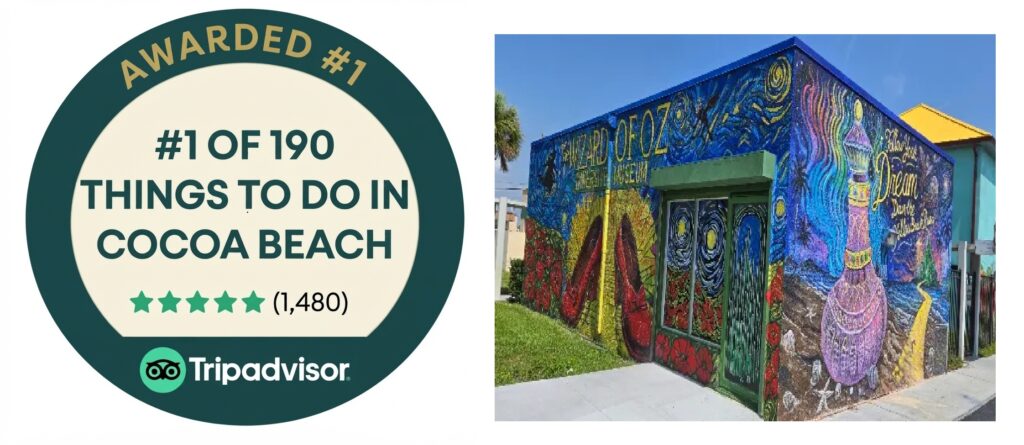
Today, the Wizard of Oz Museum in Cocoa Beach, Florida, introduces visitors to the rich history behind the books, collectibles, and memorabilia associated with Oz.
Discover the History Behind Oz Books
Explore rare Oz books, historical collectibles, and the stories behind the collection at the Wizard of Oz Museum in Cocoa Beach, Florida.
Explore the Museum