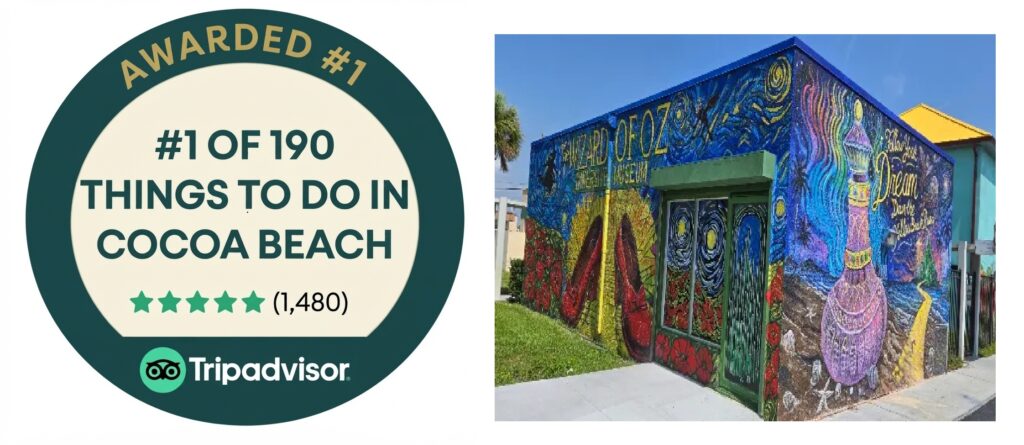
Wizard of Oz Museum · Museum History · Chapter 8
Sharing the Wizard of Oz Museum With New Generations
Five personal stories about transforming a private Oz collection into a public museum experience, connecting generations through imagination, and bringing historical books together with modern immersive technology.
When my interest in rare Wizard of Oz books began, I was primarily a collector and researcher. I wanted to understand the original publications, the artists who illustrated them, and the history behind the familiar characters. I spent time learning about editions, printings, and the details that make historical books important.
But when my wife, Palina, suggested creating a museum, I began thinking about how to share that knowledge with people who might not know anything about rare-book collecting.
A public museum must welcome different interests. Some visitors come because they love the famous film. Others are curious about the original stories, historical memorabilia, or immersive digital experiences. Families may arrive with children encountering Oz for the first time.
I came to believe that the museum should make room for all of them while preserving the historical accuracy and authenticity of the original collection.
Chapter 8 brings together five stories about how I think about sharing Oz history with visitors today and preserving its meaning for future generations.
Explore the Five Stories of Chapter 8
Story 36 · From Collection to Museum
How I Learned to Turn a Private Oz Collection Into a Public Museum Experience
How I began thinking beyond rare-book collecting and toward the needs of museum visitors. This story explores the challenge of presenting specialized historical knowledge in ways that families, Oz enthusiasts, and first-time visitors can understand and enjoy.
Read Story 36 →Story 37 · Connecting Generations
Why I Believe the Wizard of Oz Museum Should Inspire Every Generation
Why children, parents, and grandparents can connect with Oz in different ways. I reflect on my own childhood memories, rediscovering Baum's books through my children, and the opportunity for families to explore literary history together.
Read Story 37 →Story 38 · Imagination and Learning
How I Use Imagination to Make Oz History Come Alive
How the imaginary world of Oz can lead visitors toward real historical discoveries. I explore the relationship between Baum's writing, original illustrations, visual interpretation, and the importance of encouraging curiosity without confusing fiction with historical fact.
Read Story 38 →Story 39 · Books and Technology
How I Connect Rare Oz Books With Modern Immersive Technology
Why historical artifacts and modern visual experiences can complement one another. This story examines the differences between original books, digital reproductions, and immersive interpretations, while explaining why authenticity and preservation remain essential.
Read Story 39 →Story 40 · The Museum's Future
What I Hope the Wizard of Oz Museum Will Mean to Future Generations
The concluding story of Chapter 8. I reflect on the legacy I hope the museum will preserve: authentic Oz history, original illustrations, reliable research, educational access, and opportunities for future visitors to make discoveries of their own.
Read Story 40 →From Personal Research to Public Discovery
My relationship with Oz began while I was growing up in the Soviet Union, where I encountered Alexander Volkov's The Wizard of the Emerald City.
Years later, after moving to the United States, I rediscovered Oz through my children and became interested in L. Frank Baum's original stories. That interest gradually led me toward collecting and researching rare Oz books.
As I studied early publications, I learned to appreciate the importance of their illustrations, bindings, publishing details, and historical context.
Creating the Wizard of Oz Museum gave me an opportunity to share that knowledge with a wider audience.
The museum first opened in Cape Canaveral and later moved to Cocoa Beach in 2026. Throughout its development, I have continued thinking about how visitors can connect with the literary and artistic history of Oz.
Why Oz Continues to Connect Generations
The world of Oz has reached audiences through books, theater, films, and many later adaptations. People often encounter the story at different stages of life and through different media.
A child may be fascinated by Dorothy's adventure. A parent may remember a favorite film. A grandparent may recognize characters that have been familiar for decades.
The original books connect these experiences to a longer history.
The Wonderful Wizard of Oz was published in 1900 with illustrations by W. W. Denslow. John R. Neill later became the principal illustrator of the continuing series, beginning in 1904.
These books reveal how Oz existed before many of its best-known adaptations. I believe discovering that history can give visitors a new appreciation for the stories they already love.
Where Historical Objects Meet Modern Experiences
One distinctive feature of the Wizard of Oz Museum is the combination of rare books and historical memorabilia with immersive digital experiences.
I see these elements as different but complementary ways of engaging with literature, art, and imagination.
The historical books preserve physical evidence of the past. Their illustrations, paper, bindings, and printing details help us understand how Oz was originally published.
Modern immersive presentations offer another way for visitors to engage with visual storytelling and imaginative subjects.
The museum's immersive experiences include Oz as well as presentations involving Van Gogh and space-related imagery.
I believe these experiences can encourage curiosity, but they should not be confused with authentic historical artifacts.
Preserving that distinction is essential to the museum's educational purpose.
Why Accuracy and Imagination Belong Together
I have learned through collecting that historical claims require evidence. Identifying a rare book accurately may involve studying its printing, binding, illustrations, and provenance.
The same care is important when presenting historical information to museum visitors.
Imagination can help capture attention, but it should not replace reliable research. An artistic interpretation can be enjoyed while still being clearly distinguished from an original historical work.
I believe visitors benefit when the museum encourages wonder and provides trustworthy information about the objects and stories behind that experience.
What I Hope Future Visitors Discover
When I think about the future of the Wizard of Oz Museum, I think about the questions visitors may carry home.
Perhaps someone will become interested in reading Baum's original books. Perhaps a child will discover that Dorothy's story began long before the famous film.
Another visitor may develop an appreciation for early book illustration or the importance of preserving historical objects.
I cannot predict exactly what each person will remember, but I hope the museum encourages continued curiosity.
A museum preserves the history of what people created. Its greatest opportunity is to inspire others to keep discovering.
The Meaning of Chapter 8
The five stories in this chapter represent an important development in my understanding of the Wizard of Oz Museum.
Collecting rare books taught me to value historical evidence. Creating a museum encouraged me to think about how that history could become meaningful to people with different interests.
I now see the museum's purpose as a combination of preservation, education, and imaginative engagement.
The original books remain central because they connect us with Baum's literary world. The memorabilia help illustrate the continuing cultural history of Oz. Modern experiences offer additional ways to engage visitors.
Together, these elements can help introduce new generations to the history behind a familiar story.
Experience the Wizard of Oz Museum
Visit the Wizard of Oz Museum in Cocoa Beach, Florida, to discover rare Oz books, historical memorabilia, and immersive digital experiences that bring art, imagination, and literary history together.
Explore the Museum Plan Your Visit