Wizard of Oz Museum · Museum History · Chapter 5 · Story 24
Building a museum taught me that a remarkable collection is only part of the story. What visitors discover, understand, and remember is equally important.
When I began collecting rare Oz books, I measured progress differently from the way I think about the museum today. Finding an important edition, identifying a printing variation, or adding a historically significant book to my collection felt like an accomplishment. I was focused on the objects themselves and what they could teach me.
When Palina suggested creating a museum, I began to see the collection from another perspective.
A private collector can spend hours examining the details of a single book. A museum visitor may have only a limited amount of time to explore an exhibit.
The question was no longer simply what we could display. It was what visitors would gain from seeing it.
That distinction helped me understand why the visitor experience matters so much to a museum's purpose.
A Collection Is the Foundation, Not the Entire Experience
The Wizard of Oz Museum grew from my interest in rare books and historical memorabilia.
These objects provide an authentic connection to the history of Oz.
An early edition can reveal how a story was originally presented. An illustration can show how an artist imagined a character long before a famous film adaptation.
For someone interested in literary history, these details can be fascinating.
But a museum must also help visitors understand why those details are important.
Without context, a rare book may appear to be simply an old book.
With the right explanation, it becomes evidence of a larger cultural story.
That transformation from object to understanding is a central part of the museum experience.
The Importance of a First Impression
Visitors arrive with different expectations.
Some already know the history of Oz. Others are familiar mainly with the 1939 MGM film.
Families may come because they want an enjoyable activity they can share.
A museum should make its subject approachable to all of them.
The first impression helps establish what kind of experience visitors can expect.
Clear information, an inviting atmosphere, and exhibits that are easy to understand can make a difference.
Visitors should not need to be experts before they can enjoy discovering something new.
This is especially important for a subject like Oz, which combines literature, art, film, and popular culture.
Helping Visitors Discover Something Unexpected
One of the most valuable experiences a museum can offer is discovery.
Many people know Dorothy, the Scarecrow, the Tin Man, and the Cowardly Lion.
Far fewer are familiar with the full history of Baum's Oz books.
The first book, The Wonderful Wizard of Oz, appeared in 1900, decades before the well-known movie.
Baum continued writing Oz stories, and other authors later contributed to the series.
Early illustrations also differed from the imagery that became familiar through film.
These details can surprise visitors who thought they already knew the story.
I believe that kind of discovery is one of the most rewarding aspects of a museum visit.
Making History Easy to Understand
Rare book collecting involves specialized knowledge.
Collectors study edition statements, printing differences, bindings, illustrations, and book condition.
These subjects are important, but the terminology can be unfamiliar to visitors.
A museum should communicate historical information without assuming that everyone already understands it.
For example, rather than presenting an early edition only as a valuable collectible, an exhibit can explain what makes it historically significant.
It might show how the book relates to Baum's original publication, or how its illustrations differ from later versions.
The goal is not to simplify history until it loses its meaning.
It is to make accurate information accessible to people with different levels of experience.
Why Immersive Experiences Have a Role
The museum's immersive experiences provide another way for visitors to connect with Oz.
Historical exhibits encourage observation and learning.
Immersive environments emphasize visual engagement and imagination.
These approaches can work together.
Someone may first be attracted to an imaginative experience and then become curious about the original books.
Another visitor may begin with the historical collection and appreciate seeing a different interpretation of the fictional world.
What matters is that the experience contributes to a stronger connection with the museum's subject.
A successful museum visit is not measured only by what people see, but by what they take away from the experience.
Different Visitors Need Different Ways to Engage
A museum welcomes people with many different interests.
Some enjoy reading detailed historical explanations.
Others prefer visual storytelling or interactive experiences.
Children may respond to characters and imaginative settings.
Adults may be interested in the books, film history, or memories connected to Oz.
Collectors may focus on original editions and rare memorabilia.
A thoughtful visitor experience recognizes that these interests can coexist.
The museum does not need every visitor to approach Oz in the same way.
Instead, it can provide several paths into the subject.
The Value of Questions and Conversations
Learning often begins when someone asks a question.
Why does an early illustration look different from the movie character?
How many Oz books did Baum write?
Why are some editions considered rare?
What inspired the creation of the museum?
These questions can lead to conversations about literature, publishing, art, and cultural history.
Families can discuss what they already know and compare it with what they discover.
A museum that encourages curiosity provides more than information.
It gives visitors reasons to continue thinking about the subject after they leave.
Why Memories Matter
A visitor may not remember every publication date or every historical detail from an exhibit.
But a memorable experience can leave a lasting impression.
Someone might remember discovering that Oz began as a series of books.
Another person may remember seeing historical artwork that looked different from the familiar movie.
A family may remember enjoying an immersive experience together.
These memories can encourage people to read more, revisit a familiar story, or share what they learned.
That continuing interest is an important part of a museum's educational value.
Listening to the Visitor's Perspective
When I was collecting books privately, my own interests guided most of my decisions.
I researched subjects that interested me and searched for editions I wanted to add to the collection.
Operating a public museum requires a broader perspective.
It is important to consider whether visitors can follow the information, enjoy the exhibits, and understand the museum's purpose.
Visitor feedback can help identify what works well and where improvements may be needed.
This does not mean changing the museum's historical mission to satisfy every preference.
It means finding better ways to communicate that mission to the public.
From Collector's Priorities to Museum Priorities
The transition from collecting to operating a museum changed how I think about success.
As a collector, success might mean identifying a rare printing or acquiring a historically significant book.
Those achievements remain meaningful.
But a museum also has another responsibility: sharing its collection effectively.
A historically important exhibit has greater public value when visitors understand why it matters.
An immersive experience becomes more meaningful when it encourages curiosity about the stories behind it.
The museum must balance preservation, education, and enjoyment.
I see that balance as an ongoing part of building a successful visitor experience.
How the Museum's Journey Shaped This Perspective
My interest in Oz began with a childhood encounter with Alexander Volkov's The Wizard of the Emerald City in the Soviet Union.
Later, rediscovering Baum's American Oz through my children led me to research and collect rare editions.
Palina's suggestion to establish a museum changed the direction of that work.
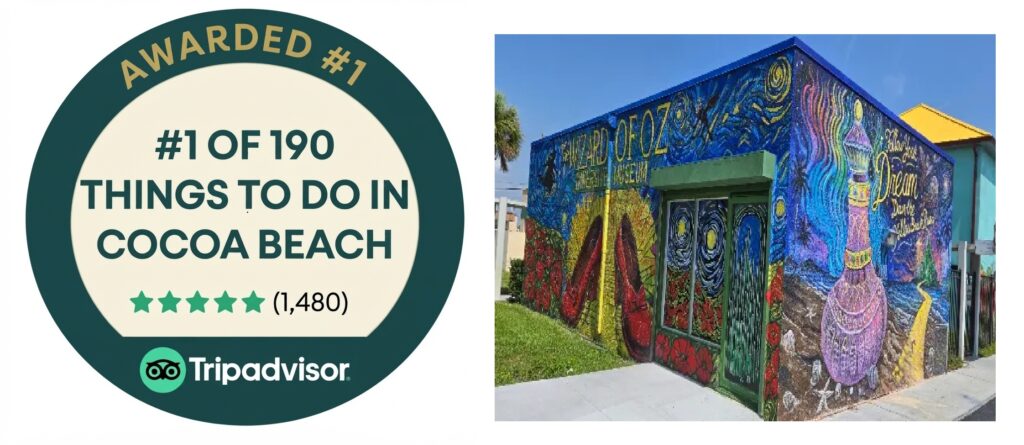
The Wizard of Oz Museum first opened in Cape Canaveral, Florida, and later moved to Cocoa Beach in 2026.
Through that development, the museum grew beyond the original idea of displaying a private collection.
It became a place where historical objects and immersive experiences could introduce the world of Oz to a wider audience.
Thinking about the visitor experience is a natural part of that evolution.
What I Hope Visitors Take Away
I hope visitors leave the museum with more than a memory of familiar characters.
I hope they discover that Oz has a rich literary history beginning in 1900.
I hope they recognize the importance of the original books and the artists who illustrated them.
I hope families find opportunities to share their own memories and discoveries.
And I hope the museum's immersive experiences encourage curiosity about the imaginative world that inspired them.
The rare books will always be central to my personal journey with Oz.
But creating a museum has taught me that the most important result is not simply having those objects on display.
It is helping visitors connect with their history and meaning.
That is why the visitor experience matters.
Make Your Own Oz Discovery
Explore rare Oz books, historical memorabilia, and immersive experiences at the Wizard of Oz Museum in Cocoa Beach, Florida.
Explore the Museum